Compounding Pharmacy BPC-157: What to Expect
What happens when you get BPC-157 from a compounding pharmacy? We walk through the prescription requirement, USP standards, typical costs and what to ask.
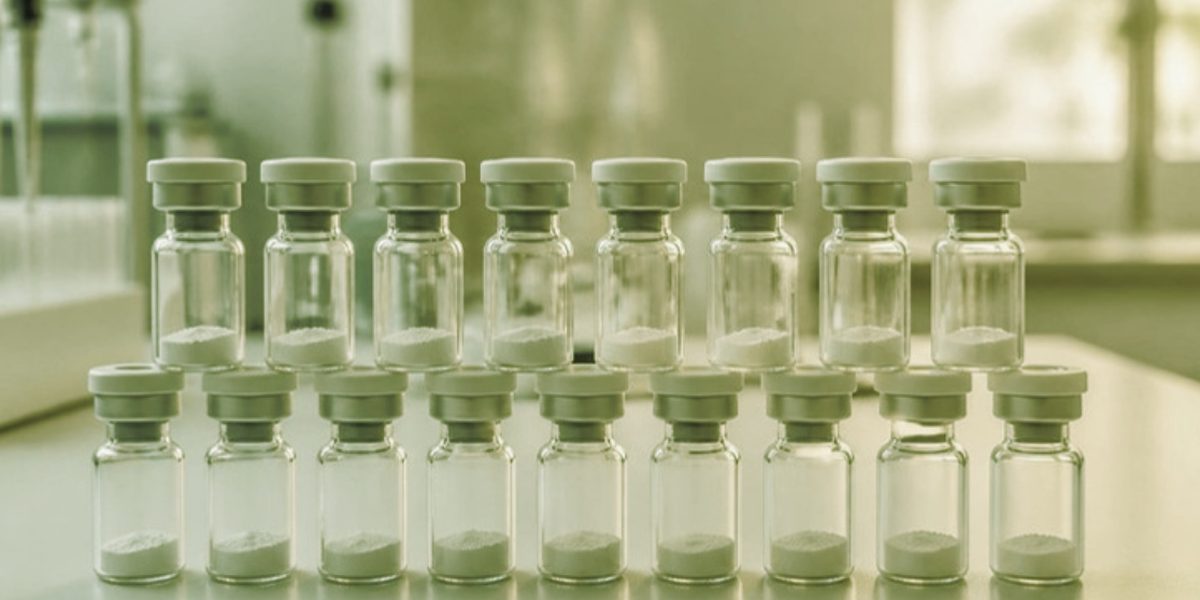
Compounding pharmacies are the regulated route to BPC-157 within the medical system. They prepare custom formulations from bulk ingredients under strict sterile compounding standards. The process involves a prescription, specific manufacturing protocols and costs that are significantly higher than online research vendors.
What Is a Compounding Pharmacy?
A compounding pharmacy prepares medications that are not commercially available as finished products. Unlike a retail pharmacy that dispenses manufactured drugs, a compounder creates custom preparations based on individual prescriptions.
How Compounding Differs from Commercial Pharmacy
A retail pharmacy dispenses FDA-approved drugs in standard doses and forms. A compounding pharmacy prepares unapproved formulations, custom doses, or alternative delivery forms using bulk pharmaceutical ingredients. For BPC-157, there is no commercial product to dispense, so compounding is the only pharmacy-based route. The pharmacy sources bulk BPC-157 powder, verifies its identity and prepares individual vials per the prescriber's order.
USP 797 and 800 Standards
USP General Chapter 797 sets the standards for sterile compounding in the US. Requirements include classified cleanroom environments, personnel training and competency testing, environmental monitoring, gowning procedures, and beyond-use dating based on sterility testing. These standards exist to prevent contamination and ensure consistent quality. A compounding pharmacy preparing BPC-157 must follow USP 797 because the final product is an injectable sterile preparation.
Getting BPC-157 from a Compounder
The path from wanting BPC-157 to receiving a compounded vial involves three parties: you, a prescriber, and the pharmacy.
The Prescription Requirement
A licensed prescriber (MD, DO, NP or PA with prescriptive authority) must evaluate your situation and write a patient-specific prescription under FDA 503A rules. The prescription specifies the compound (BPC-157), the dose, the volume and the route of administration. Without this prescription, no legitimate 503A pharmacy will prepare the product for you.
How the Pharmacy Makes It
The pharmacy sources pharmaceutical-grade BPC-157 powder from a qualified supplier. A trained technician weighs the peptide, reconstitutes or lyophilizes it into individual vials in a cleanroom, and labels each vial with the patient name, compound, concentration, lot number, beyond-use date and storage instructions. Internal quality testing verifies the preparation before release.
Typical Cost Range
Compounded BPC-157 pricing is not standardized. From publicly listed fee schedules, expect $100 to $250 per vial depending on the dose, volume and pharmacy. Some pharmacies charge an additional dispensing fee. The total cost is 3 to 7 times higher than online research vendor pricing, reflecting the cleanroom overhead, professional labor and regulatory compliance built into the compounding process.
| Factor | Compounding Pharmacy | Online Research Vendor |
|---|---|---|
| Legal basis | Prescription under FDA 503A | Research-use labeling |
| Preparation standard | USP 797 cleanroom | Varies by manufacturer |
| Typical vial cost | $100-$250 | $34.95-$43.20 |
| Turnaround | 3-7 business days | 2-4 business days |
| Testing provided | Internal pharmacy QC | Published COA (some vendors) |
Questions to Ask Your Compounding Pharmacy
Before committing to a compounding pharmacy for BPC-157, ask these three questions.
Are You USP 797 Accredited?
Any pharmacy compounding sterile preparations must comply with USP 797. Ask specifically whether they hold accreditation from an organization like PCAB (Pharmacy Compounding Accreditation Board) or whether their state board has confirmed compliance. An accredited pharmacy has been independently verified to meet sterile compounding standards.
Do You Provide a COA?
Ask whether the pharmacy provides a certificate of analysis for the bulk BPC-157 powder they source and whether they perform in-house testing on the finished vial. A pharmacy that can show both the raw material COA and their own quality testing provides the strongest assurance of product quality.
What Is Your Turnaround Time?
Compounding is not instant. Most pharmacies need 3 to 7 business days to fill a BPC-157 prescription, plus shipping time. If you need the product sooner, ask whether they have any pre-made stock or can expedite the preparation. Rush orders may incur additional fees.
FAQ - Compounding Pharmacy BPC-157
Do all compounding pharmacies make BPC-157?
No. Not every compounding pharmacy works with peptides. Some specialize in topical creams, oral capsules or hormone therapy and do not have the equipment or expertise for sterile peptide preparation. Additionally, some pharmacies stopped compounding BPC-157 after the FDA placed it on the Category 2 evaluation list in 2024. Call ahead and confirm availability.
Is compounded BPC-157 the same as research grade?
The BPC-157 molecule is the same. The difference is in the regulatory framework, quality oversight and labeling. A compounded preparation is made under USP 797 standards with pharmacy oversight and is prescribed for a specific patient. Research-grade BPC-157 from an online vendor is manufactured for laboratory research and labeled accordingly. Neither has FDA approval.
How much does compounded BPC-157 cost?
Based on publicly available pricing, expect $100 to $250 per vial from a compounding pharmacy, plus the cost of a prescriber consultation ($150 to $350) and any lab work ($100 to $300). Total first-order cost through the compounding route typically ranges from $350 to $900. Compare this to $34.95 to $43.20 per vial from online research vendors.
Keep reading
How Telehealth Changed Peptide Access in the US
Telehealth platforms have changed how people access peptide therapy in the US. We explain what is available, what the limitations are and where the regulations stand.
Cold Chain Shipping for Peptides: Why It Matters
Peptides like BPC-157 need temperature-controlled shipping. We explain what cold chain packaging looks like, which vendors use it and what to do if your order arrives...
How to Read a BPC-157 Certificate of Analysis
A certificate of analysis is the most important document when buying BPC-157. We break down each section so you know exactly what to look for and what the numbers mean.
Compare the current picks
Prices, sizes and ratings side by side, updated when the merchant pages change.
Shop online